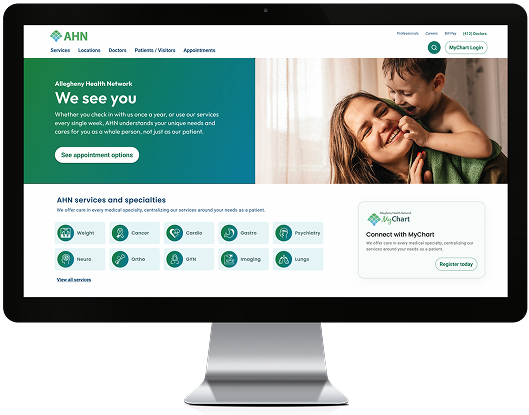
Organizations struggling with inconsistent user interfaces, slow development speeds, or high maintenance costs across multiple products.
Cross-functional teams made up of product designers, front-end developers, accessibility specialists, and content strategists.
It affects a wide range of stakeholders within an organization, primarily impacting designers, engineers, product managers, and end-users.
Establish a single source of truth that guarantees visual consistency, accelerates product development and improves cross-functional collaboration.
A design system is far more than a UI kit or style guide; it is a living, evolving product that acts as the "single source of truth" for building digital products.
the current state of your product's UI, identify pain points in the design-to-development workflow, and understand the needs of the teams who will use it.
Ideally implemented as a product scales or when design/technical debt, inconsistencies, and inefficiencies arise.
Results from a design system, such as improved efficiency, consistency, and time-to-market, are expected in phases.
Begin at the inception of a project, or immediately upon identifying UI inconsistency, scaling needs, or high component redundancy.
Problems typically occur at the intersection of design and code.
Figma (tokens), code repository (GitHub), and Zeroheight documentation site (Storybook) that connects to all.
Atomic design is widely used by UI designers and front-end developers to create structured design systems.
Not having a design system causes critical inefficiencies, including inconsistency, slowed-down development cycles and high maintenance costs.
It ensures consistency across digital products, drastically accelerating development speed.
A combination of high initial costs, cultural resistance, and the misconception that it is a one-time project rather than a long-term, living product.
Currently, design and development cycle uses the waterfall development model.
It highlights that the current process is unsuitable for complex projects and making bugs costly to fix.
Agile environments promotes collaboration among small, cross-functional teams to deliver, learn, and iterate on projects in short, rapid cycles, adapting to change for improved efficiency.
From the UX research three themes appeared – efficiency, consistency, and scalability. We need a design system that changes not only how we work, but how we think of design.
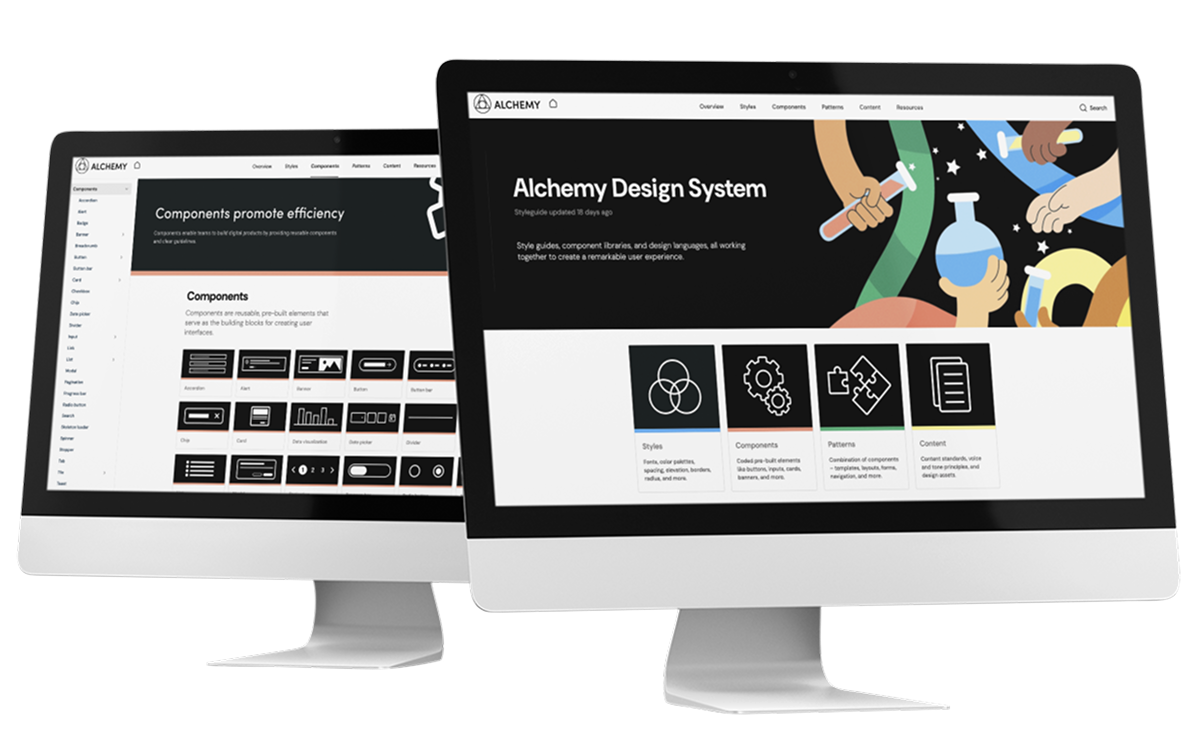
Connects designers and developers through a common language. Alchemy serves as a central source of truth, uniting code, design principles, and UI patterns to enhance efficiency.
Documented components establish a standardized visual language for the design system, ensuring consistency in representation across all design assets and implementations.
Alchemy facilitates the integration of new elements and supports scaling of a product's complexity while minimizing the risk of technical debt. This approach ensures a more sustainable development process and promotes long-term viability.
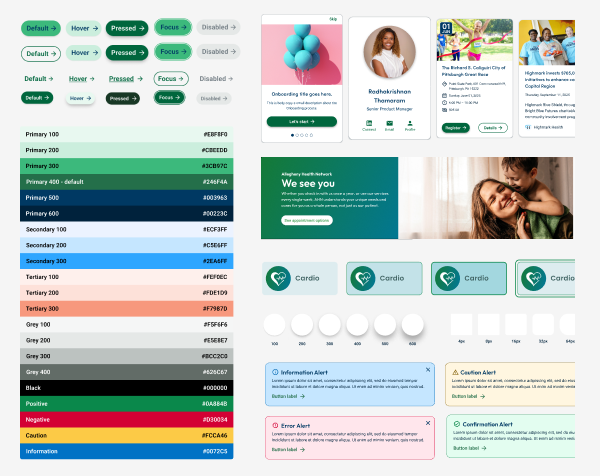
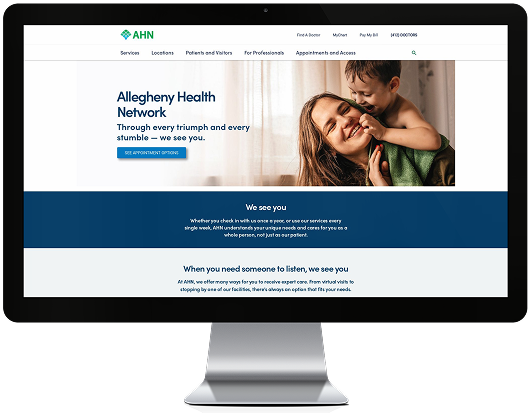
 AAA compliant