How to Make and Design Your Own Clothes at Home
Ever dreamed of wearing something that no one else has? Learning how to make clothes and how to design clothes at home is not just a creative hobby; it’s a way to express your personality while building a wardrobe that’s entirely your own. From upcycling old garments to experimenting with new fabrics, designing your own clothes gives you complete creative freedom. Not only can you tailor garments to your exact measurements, but you also gain skills that can save money and even spark a future side hustle. This blog will guide you through essential tips, techniques, and ideas to get started on your DIY fashion journey.
Step 1: Understanding How to Make Clothes
Before you start, it’s important to grasp the basics of how to make clothes.
- • Choose the Right Fabric: Beginners usually start with cotton, which is easy to sew and forgiving if mistakes happen. As your skills improve, try linen, denim, or silk for more complex garments.
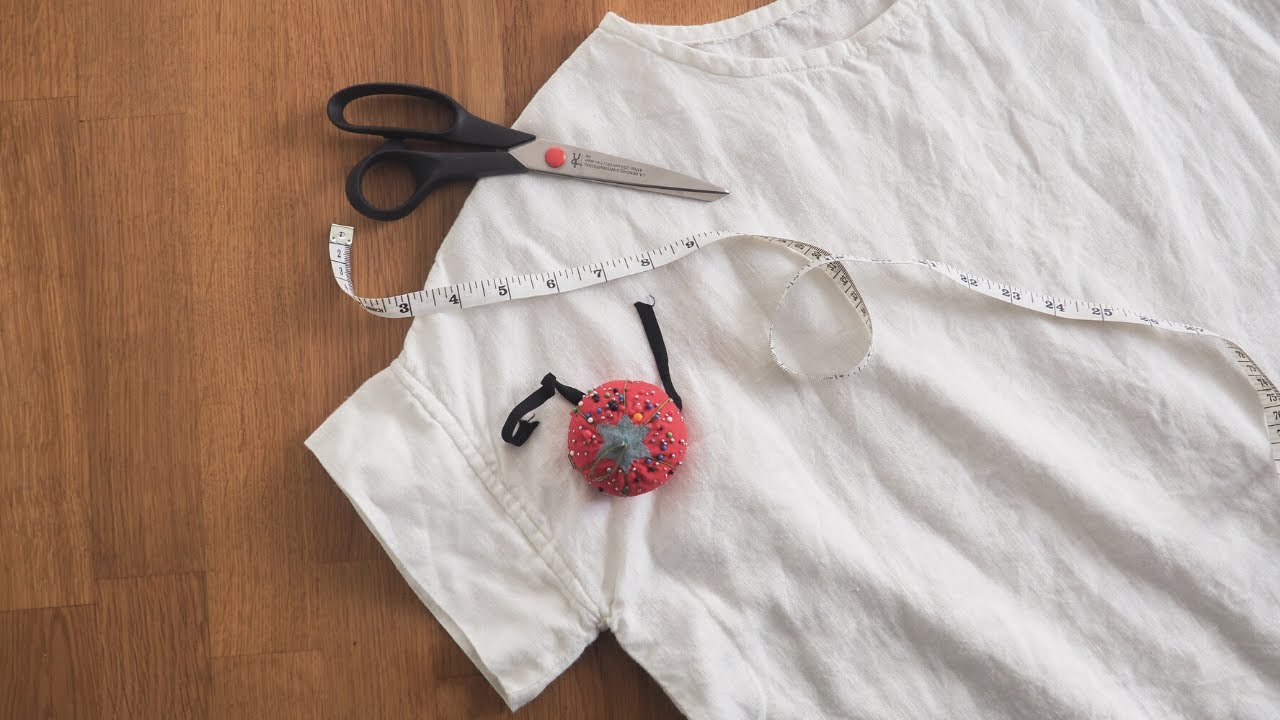
- • Gather Your Tools: You’ll need scissors, pins, measuring tape, sewing needles, thread, and ideally a sewing machine. Additional items like a seam ripper, tailor’s chalk, and an iron make the process easier.
- • Take Accurate Measurements: Measure yourself carefully, bust, waist, hips, and lengths, to ensure a perfect fit.
- • Select a Pattern: Patterns can be bought, traced from old clothing, or drafted from scratch. Simple designs like skirts, t-shirts, or dresses are great starting points.
Starting with these essentials ensures your first projects are successful and builds confidence for more challenging garments.
For inspiration, check out our Fashion Women or Fashion Men categories for trending styles and fabric ideas.
Step 2: Mastering How to Design Clothes
Understanding how to design clothes at home is about creativity as much as technique:
- • Sketch Your Designs: Even simple sketches help visualise your garment. Include features like neckline, sleeve type, length, and any decorative details.
- • Experiment with Colours and Textures: Don’t be afraid to mix patterns or textures. Combining fabrics creatively can make a simple garment stand out.
- • Add Personal Touches: Embroidery, patches, buttons, or appliqué add individuality. Even subtle details like decorative hems or contrast stitching make a garment unique.
- • Think Practically: Balance aesthetics with comfort. A design may look perfect on paper, but it should also feel good to wear.
Take a look at Brands (Ralph Lauren) for ideas on classic cuts, fabric combinations, and design elements you can adapt for your own creations.
Step 3: Sewing Your First Garment
Now that you have a design, it’s time to bring it to life. Here’s a beginner-friendly approach to how to make clothes at home:
- • Prepare the Fabric: Wash and iron to prevent shrinkage after sewing.
- • Cut Accurately: Use your pattern and pins to mark cutting lines. Precision matters!
- • Pin and Sew: Pin pieces together and start sewing. Straight stitches are ideal for beginners.
- • Try It On: Midway, fit the garment and make adjustments to ensure comfort and style.
- • Finish Edges: Use a zigzag stitch or serger to prevent fraying and give a polished finish.
Step 4: Tips to Enhance Your DIY Fashion Skills
- • Start Small: Begin with simple items before tackling jackets, coats, or fitted dresses.
- • Practice Regularly: Consistency improves both skill and confidence.
- • Upcycle Old Clothes: Transform old garments into trendy pieces. Not only does this save money, but it’s eco-friendly too.
- • Join Online Communities: Platforms like Pinterest, Instagram, and sewing forums provide ideas, feedback, and support.
Our blog Funky Shirts for Men shows how small customisations can dramatically change casual tops. Cool Clothes for Boys: Latest Trends can inspire playful designs for children.
Step 5: Advanced Design Ideas
Once you’re confident, experiment with more creative techniques:
- • Mix Fabrics: Combine textures like lace, denim, and cotton for a high-fashion look.
- • Pattern Drafting: Learn to create your own patterns from scratch to customise every aspect of a garment.
- • Seasonal Fashion: Consider designing for winter, summer, or specific occasions to expand your wardrobe options.
This stage lets you truly explore the fun of fashion design, making garments that are both stylish and one-of-a-kind.
Start Your DIY Fashion Journey
Learning how to make clothes and how to design clothes at home is empowering. It allows you to express your individuality, reduce waste, and even start a potential side business. With practice, creativity, and the right tools, anyone can create garments that reflect their personal style.
Start your DIY fashion journey today: sketch your ideas, gather your materials, and explore our E-Square collections for inspiration. With dedication, your wardrobe will soon feature pieces that are uniquely yours, designed and made by your own hands.