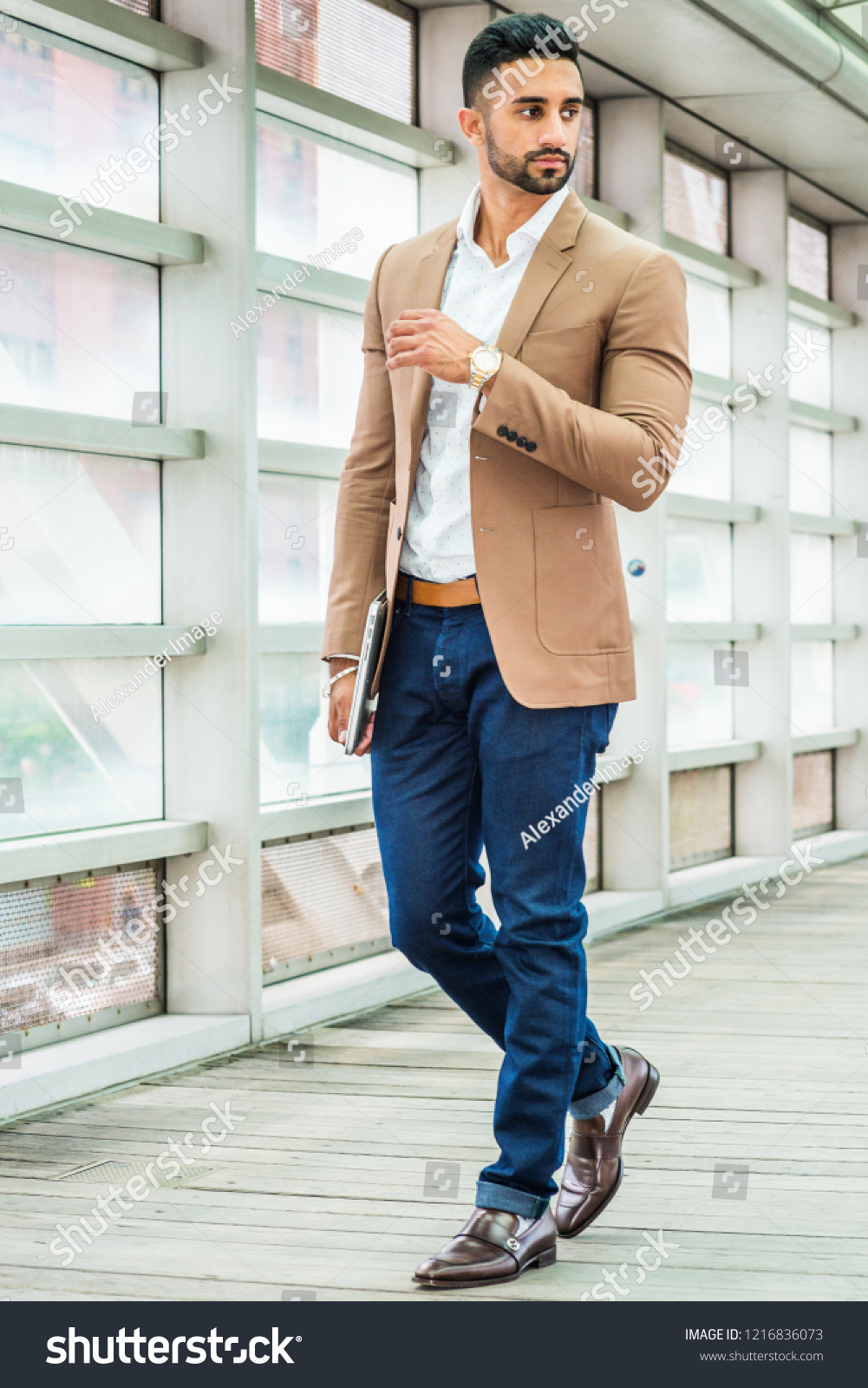
Timeless advice to elevate your everyday look with ease. These go-to tips help you make smart, stylish choices no matter the occasion.
Dress one level up from what you think others will wear—this shows respect without trying too hard.
Even the best off-the-rack piece needs tweaking. A good tailor can clean up bulk, adjust for width, or refine shape—especially key for men on either end of the size spectrum. It’s the fastest way to go from decent to dialed-in.
Clothes should follow your shape without clinging or hanging loosely. Fuller builds should steer clear of baggy fits, which add bulk. Slimmer builds should avoid oversized styles that exaggerate thinness. A tailored fit always sharpens your silhouette.
Your jacket should sit cleanly across the chest and shoulders, with a slight taper at the waist. Fuller builds need room to move without extra fabric; slimmer builds should avoid boxy cuts and opt for structure that defines shape.
Shirt sleeves should hit right at the wrist bone, with enough room for movement. Broader arms need space to prevent pulling; slimmer arms benefit from a closer fit to reduce excess fabric without feeling tight.
If you wear fitted pants, pair them with a slightly relaxed top—and vice versa. This keeps your proportions in check. For fuller builds, avoid tight tops that cling. For leaner frames, relaxed layers can help add presence without bulk.
Skip extremes. Fuller men look best in straight or relaxed fits with room in the thighs; skinny jeans can over-accentuate. Slim men should go for slim or tapered cuts—fitted, not tight—for shape and movement.
Formal = structured. Casual = relaxed—but never sloppy. Tailored pieces like blazers suit dressier events. Lightweight fabrics like linen need sharper cuts, while heavier ones like wool naturally hold shape.
Avoid boxy suits. For broader builds, look for structure with room to move. For slimmer builds, a tapered waist adds definition. A fitted suit flatters every body when tailored right.
Shirts should follow your body without pulling or billowing. Broad builds need space up top and a trim waist. Slim builds should aim for a tailored cut that cleans up the midsection.
Know your frame. Broad shoulders? Choose pieces that taper slightly to balance your torso. Lean build? Look for structure and layering to add volume where needed. Proportion is everything.
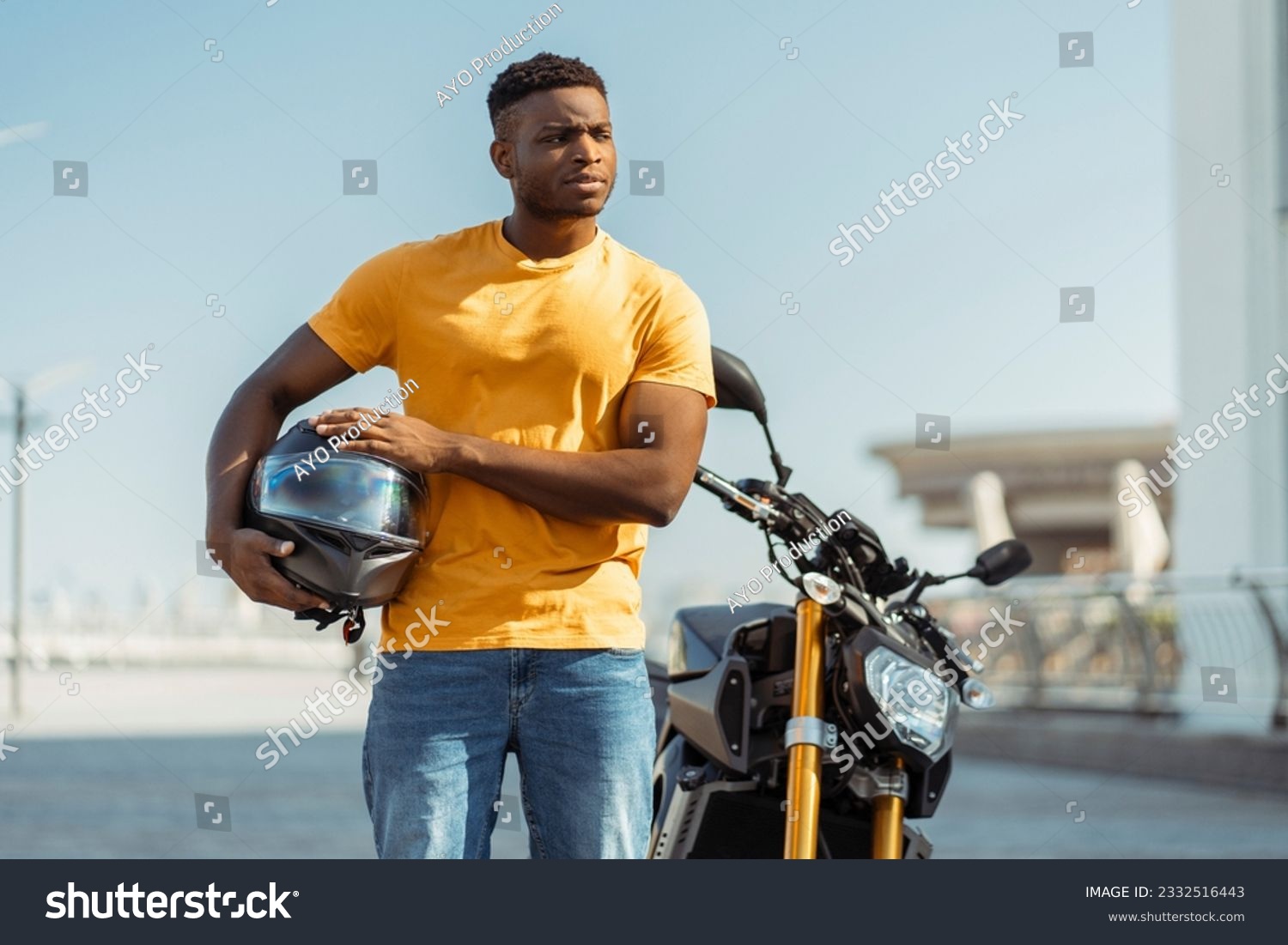
Discover how to pair colors, choose flattering tones, and create stylish combinations. Whether you love neutrals or bold hues, these tips will help you feel confident in every shade.
Trends shift, but the best colors are the ones that suit your skin tone, work with your natural features, and align with how you want to show up. Bold tones project confidence and energy; more muted shades offer a sharp, understated edge.
Cool tones such as navy, charcoal, and slate are your best bet. These colors accentuate the coolness in your eyes without clashing. Additionally, pastel shades like light blue and soft lavender can bring out the depth of your blue eyes, giving a balanced and calm appearance.
Earthy colors like olive, forest green, and rich browns will highlight the green undertones in your eyes. Shades of burgundy or deep red also work well, as they contrast beautifully with green, making your eyes pop.
Brown-eyed men should lean towards warm tones such as burnt orange, mustard yellow, and deep reds. These colors will enhance the natural warmth in your eyes. You can also experiment with contrasting shades like cobalt blue, which creates a striking balance.
If you have hazel eyes, go for earthy tones that bring out the mix of green, gold, and brown in your eyes. Rich greens, amber, and gold tones are perfect. Colors like deep orange and soft teal can also make hazel eyes look more vibrant.
Men with fair skin should avoid overly bright colors, as they can wash you out. Opt for softer tones like pastels, navy, and charcoal. Earthy shades such as brown, beige, and deep greens also complement fair skin beautifully.
If you have a medium skin tone, vibrant colors like emerald green, burgundy, and rich blues will contrast nicely against your skin. Avoid overly pale colors that can blend too much with your complexion—go for colors that stand out without overpowering you.
Darker skin tones can handle bold, saturated colors like royal blue, deep red, and orange. These hues create a beautiful contrast with your skin and enhance your natural richness. Lighter neutrals such as white, beige, and light gray also work well without fading into the background.
Neutrals like white, gray, and black work universally, but understanding your undertones (cool, warm, or neutral) is key. Stick with neutrals that complement your skin’s undertone to keep the look balanced and sophisticated.
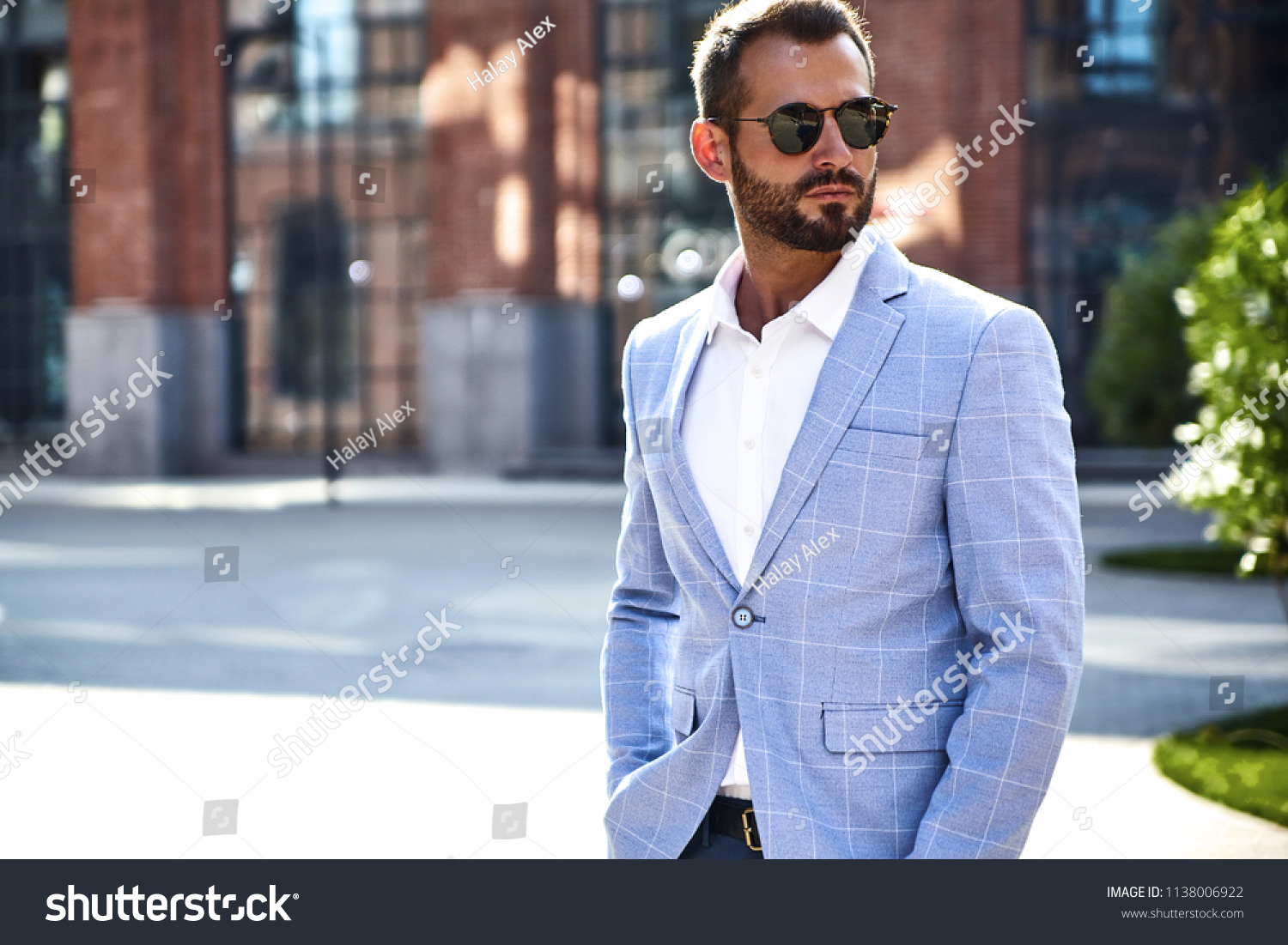
Master the art of mixing textures to add depth and interest to your outfits. Learn when to keep it simple and when to experiment for standout style.
When combining textures, it’s important to balance heavier fabrics (like leather or wool) with lighter, smoother fabrics (like cotton or linen) to avoid overwhelming the outfit. For example, pairing a soft cotton shirt with a tailored leather jacket creates an elegant yet rugged look.
If you're already wearing a bold textured piece, such as a patterned wool blazer or a leather jacket, keep the rest of your outfit simple with solid, smooth textures to maintain balance and prevent visual chaos.
Light, breathable textures like linen or cotton are ideal for warm weather, while heavier, coarser textures like tweed or wool are better suited for colder months. Make sure your fabrics match the season to maintain comfort and a cohesive appearance.
Incorporate textured fabrics like corduroy, denim, or flannel for a laid-back look that still has dimension. These fabrics naturally add a tactile element to your outfit, creating a more relaxed and approachable appearance without sacrificing style.
If you prefer a simpler wardrobe, textured accessories like a woven leather belt, knitted tie, or a herringbone scarf can add a refined layer of visual interest. These subtle additions enhance your outfit without overwhelming it.
Suede is a versatile fabric that adds texture without the heaviness of leather. Opt for suede shoes, jackets, or bags to elevate your look with a soft, sophisticated touch that pairs well with denim or chinos.
Knitted fabrics, such as sweaters or cardigans, should always be tailored to your body to avoid looking too bulky. A fitted knitted sweater or a slim-fit knitted vest adds texture while keeping the overall silhouette sharp.
Pairing matte textures with glossy ones—like a matte wool blazer with a shiny silk tie or a glossy leather bag with a matte cotton shirt—adds depth and interest to your look. This contrast prevents any one texture from dominating and creates a polished, multi-dimensional appearance.
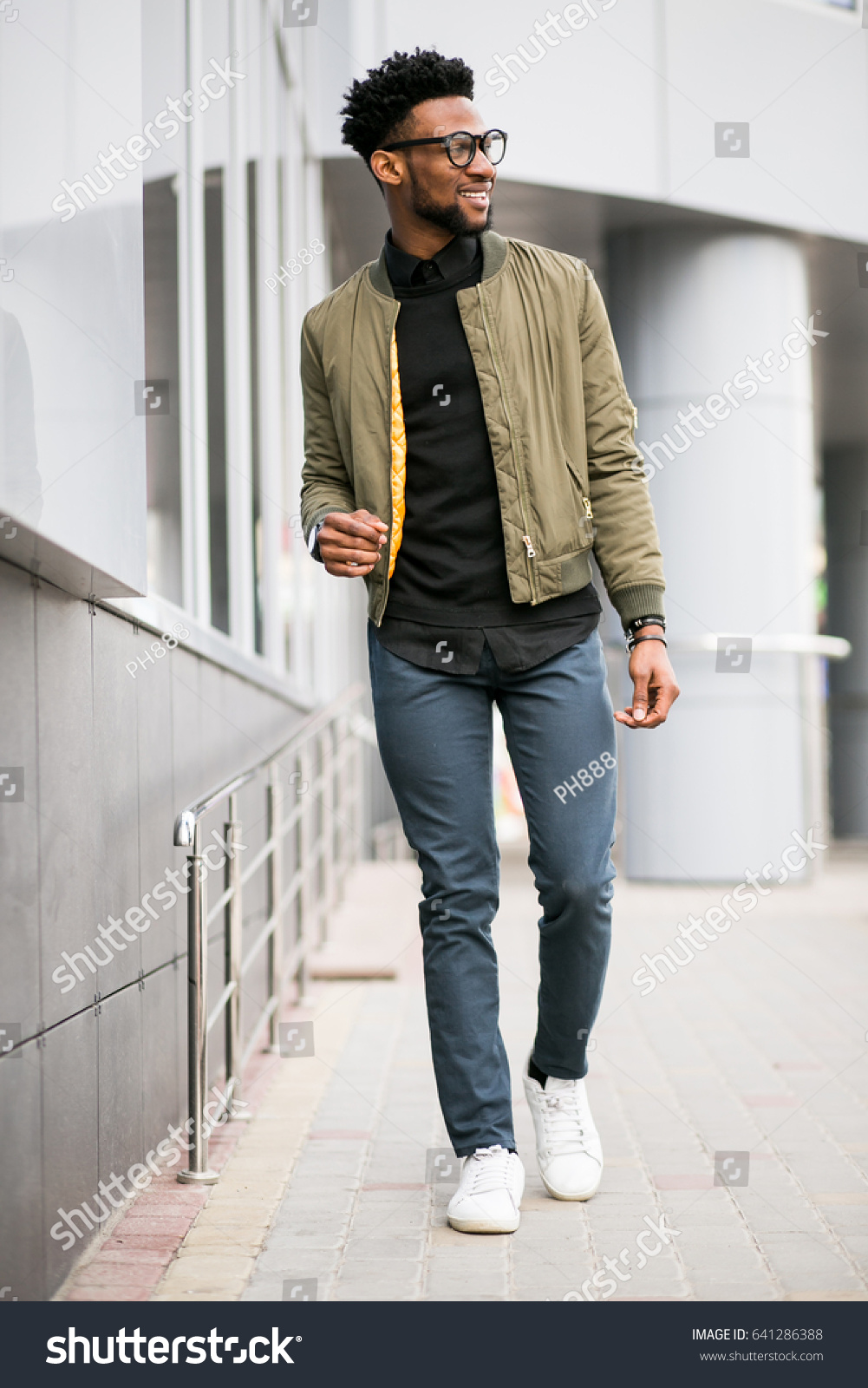
Stay stylish in every season by learning how to layer like a pro. These tips help you add dimension, warmth, and flair without the bulk.
When layering, always balance the weight of your layers. For example, pair a lightweight shirt under a thicker wool sweater or a tailored jacket. Avoid over-layering with heavy fabrics all at once; the key is creating contrast in textures and weights.
Ensure each layer fits properly to avoid bulk. A slim, fitted base layer, like a fitted t-shirt or henley shirt, can easily be worn under a looser sweater or jacket without adding unnecessary volume. This allows the layering to look sleek and polished.
Layering isn’t just for warmth—it’s an opportunity to create a stylish, well-thought-out look. Consider a tailored blazer over a lightweight turtleneck, then top with a statement coat or jacket. Layering adds personality and versatility without sacrificing comfort.
Add dimension to your look by playing with different textures in your layers. For example, layer a chunky knit sweater over a smooth button-up shirt, and top with a tailored coat. Combining textures such as wool, leather, and denim creates a visually appealing and balanced outfit.
Layering also involves balancing proportions. If you wear a long outer coat, ensure that your inner layers (like a shirt or sweater) are not too bulky. A clean, streamlined approach to layering can prevent a heavy look and allow for a more modern, sophisticated silhouette.
A smart outer layer—like a coat, jacket, or vest—can transform your look. For instance, a wool overcoat can elevate a casual outfit, while a bomber jacket adds a more laid-back vibe. Choose outer layers that complement your style and frame rather than overpower it.
Begin with neutral-colored layers—think of grey, black, white, or navy—as your base. This allows you to easily build on your outfit with bolder, statement outerwear or accessories.
When layering for warmth, opt for lighter fabrics like merino wool, cashmere, or a down vest under a jacket. These materials provide warmth without creating bulk, ensuring your look remains streamlined and comfortable.
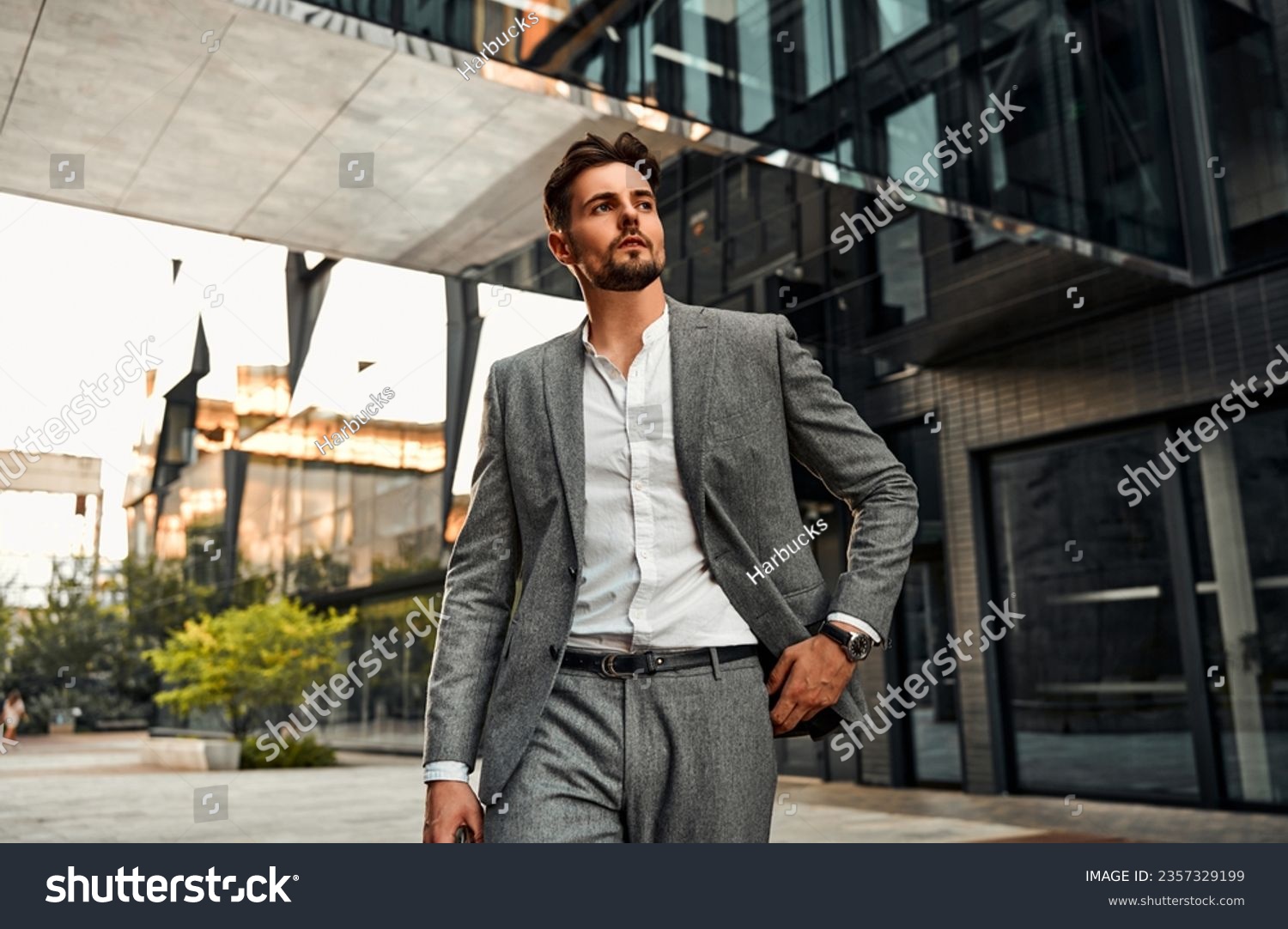
Tailored advice for taller individuals to create balanced, proportionate outfits that flatter your frame while showing off your height with confidence.
Layering clothes, such as jackets over shirts or sweaters, can add visual interest and break up the length of your frame. Avoid overly tight fits, as they can make your stature seem more elongated.
Pants should end just above the shoe and break slightly at the top. Avoid trousers that are too long, as they can make your legs appear excessively long.
A large, baggy top can make your frame appear disproportionate. Opt for more fitted shirts and jackets that complement your height without swamping you in fabric.
Horizontal stripes, pockets, or patterns across the torso add balance to a tall frame. These details help break up your height visually.
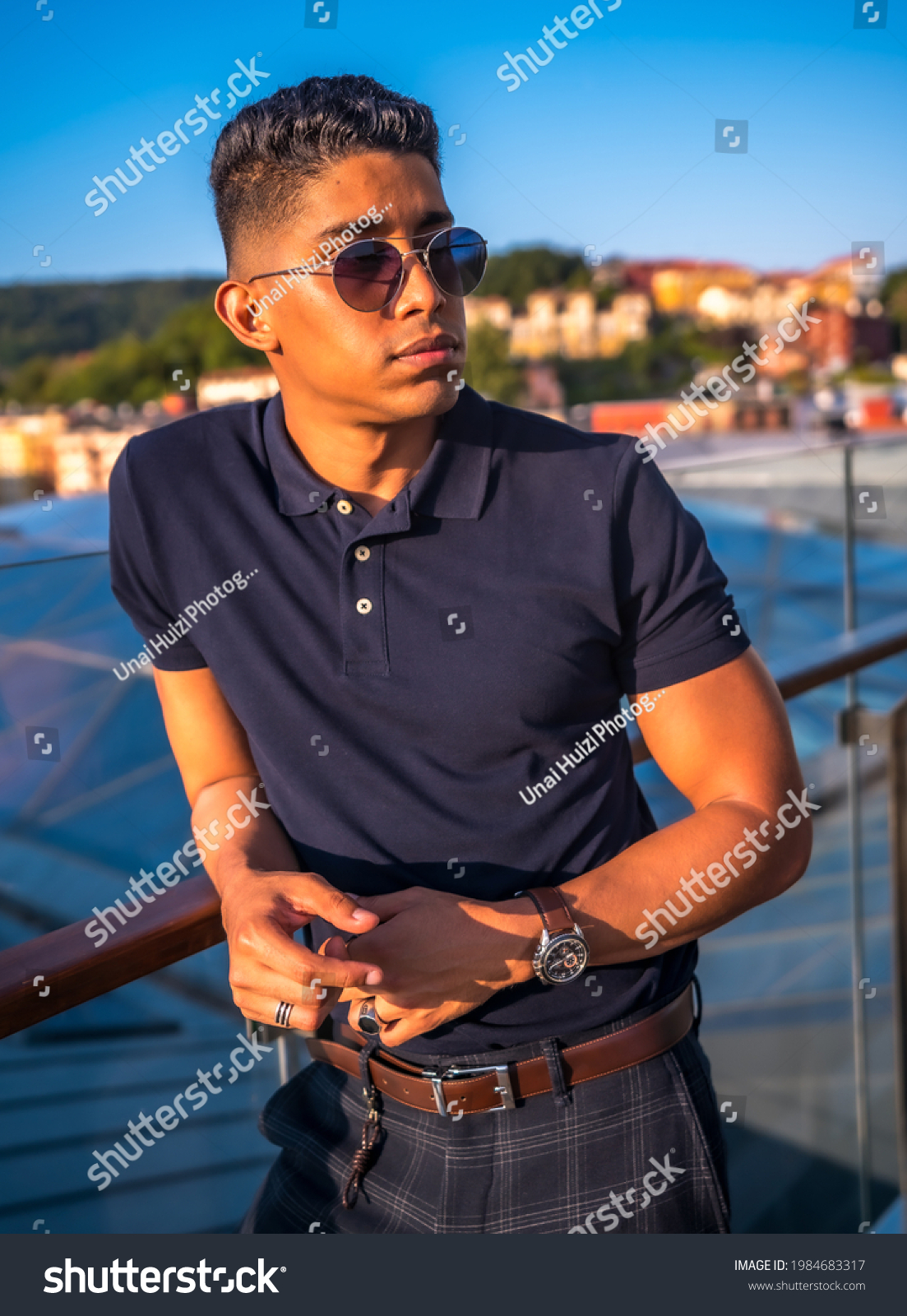
Flattering style tips for petite body types to elongate your silhouette, create clean lines, and dress with ease—no matter your height.
Slim, well-tailored clothes create the illusion of longer lines. Avoid baggy clothing that can make you appear smaller. Focus on trousers and shirts that taper slightly.
Incorporate subtle vertical lines or stripes into your clothing. This adds an elongating effect that gives the appearance of added height.
Jackets or blazers that end at your hips, or slightly above, create a more streamlined, proportionate look. Long coats can overwhelm your frame and make you appear shorter.
Trousers should end just above your shoe, creating a subtle break without pooling on the floor. Too much extra fabric will draw attention to the lower half and shrink your appearance.
Heavy, bulky fabrics add unwanted volume and weight. Opt for medium-weight fabrics that provide structure without overwhelming your frame.
Wearing similar colors head-to-toe creates a streamlined look, elongating your body. A monochrome outfit creates the illusion of height and makes you look taller.
Avoid bulky or oversized accessories, which can make you appear smaller. Stick with sleek, proportional items like thin belts or small-scale watches that complement your frame.